
Placenta Encapsulation & Postpartum Nutrition: Supporting Your Recovery from the Inside Out

Bringing a baby into the world is one of the most incredible things your body will ever do. During pregnancy, your body grows an entirely new organ—the placenta—to nourish and protect your baby. Then, almost overnight after birth, your body begins another extraordinary task: healing.
While much of the attention during pregnancy is focused on preparing for labor, the weeks after birth often receive far less planning. Yet the postpartum period—sometimes called the Fourth Trimester—is one of the most nutritionally demanding and emotionally significant seasons of a woman's life.
Your body is recovering from labor, adjusting to dramatic hormonal changes, replenishing nutrients lost during pregnancy and birth, producing breast milk, and functioning on very little sleep—all while learning to care for a newborn.
It's no wonder so many mothers describe postpartum as both beautiful and incredibly challenging.
At Mindful Family Wellness, I believe postpartum recovery deserves just as much preparation as birth itself. As both a Certified Placenta Arts Specialist with Association of Placenta Preparation Arts (APPA) and a Certified Nutrition Specialist (CNS) and NC Licensed Nutritionist (LN), I love helping families understand how nutrition, rest, support, and placenta encapsulation can work together to promote healing.
The Foundation of Postpartum Recovery Is Nutrition
There is no magic pill for postpartum recovery.
Instead, healing happens through dozens of small physiological processes occurring every single day.
Your body is:
Repairing muscles and tissues
Healing your uterus and pelvic floor
Rebuilding blood volume
Producing breast milk
Regulating hormones
Supporting immune function
Restoring energy stores
Healing emotionally from birth
Every one of these processes requires nutrients.
Unfortunately, many new mothers struggle to consistently nourish themselves. Between feeding a newborn, interrupted sleep, visitors, household responsibilities, and recovering from birth, preparing balanced meals often falls to the bottom of the priority list.
That is why I encourage every family to have a postpartum nutrition plan before baby arrives.
One Nutrient Many Mothers Are Low In: Iron
Iron is one of the most important nutrients during the postpartum period, yet it is also one of the most commonly depleted.
During pregnancy, your blood volume increases by nearly 50% to support your growing baby. Your body also transfers iron to your baby to build their own iron stores for the first several months of life.
Then comes birth.
Even an uncomplicated vaginal delivery results in blood loss. Cesarean births, long labors, and postpartum hemorrhage can increase iron losses even further.
For many women, these combined demands leave iron stores significantly lower than they were before pregnancy.
Why Iron Matters for More Than Energy
Most people think of iron simply as the nutrient that helps prevent anemia.
While that's true, iron has many other important jobs.
Iron helps:
Carry oxygen throughout the body
Produce cellular energy
Support thyroid function
Maintain healthy immune function
Produce neurotransmitters involved in mood regulation
Support concentration and memory
When iron levels become depleted, mothers may experience:
Persistent fatigue
Weakness
Brain fog
Difficulty concentrating
Dizziness
Shortness of breath
Feeling emotionally "off"
Lower stress tolerance
Many of these symptoms overlap with what people assume is simply "normal newborn exhaustion."
Sometimes they are.
Sometimes iron deficiency is contributing as well.
Iron and Postpartum Mental Health
Mental health is influenced by many different factors.
Hormonal changes, sleep deprivation, previous anxiety or depression, birth experiences, genetics, social support, stress, breastfeeding challenges, financial pressures, and nutritional status all play important roles.
Iron is one piece of this much larger picture.
Research has found that postpartum anemia is associated with an increased likelihood of depressive symptoms and can affect maternal energy, cognitive function, and overall well-being. While correcting iron deficiency does not guarantee prevention of postpartum depression or anxiety, ensuring adequate iron is an important part of supporting a mother's physical and emotional recovery.
This is why I encourage mothers to work closely with their healthcare providers to monitor iron levels when symptoms suggest deficiency.
Where Does Placenta Encapsulation Fit In?
One question I hear often is:
"If iron is so important after birth, can placenta encapsulation help?"
The answer is a thoughtful one.
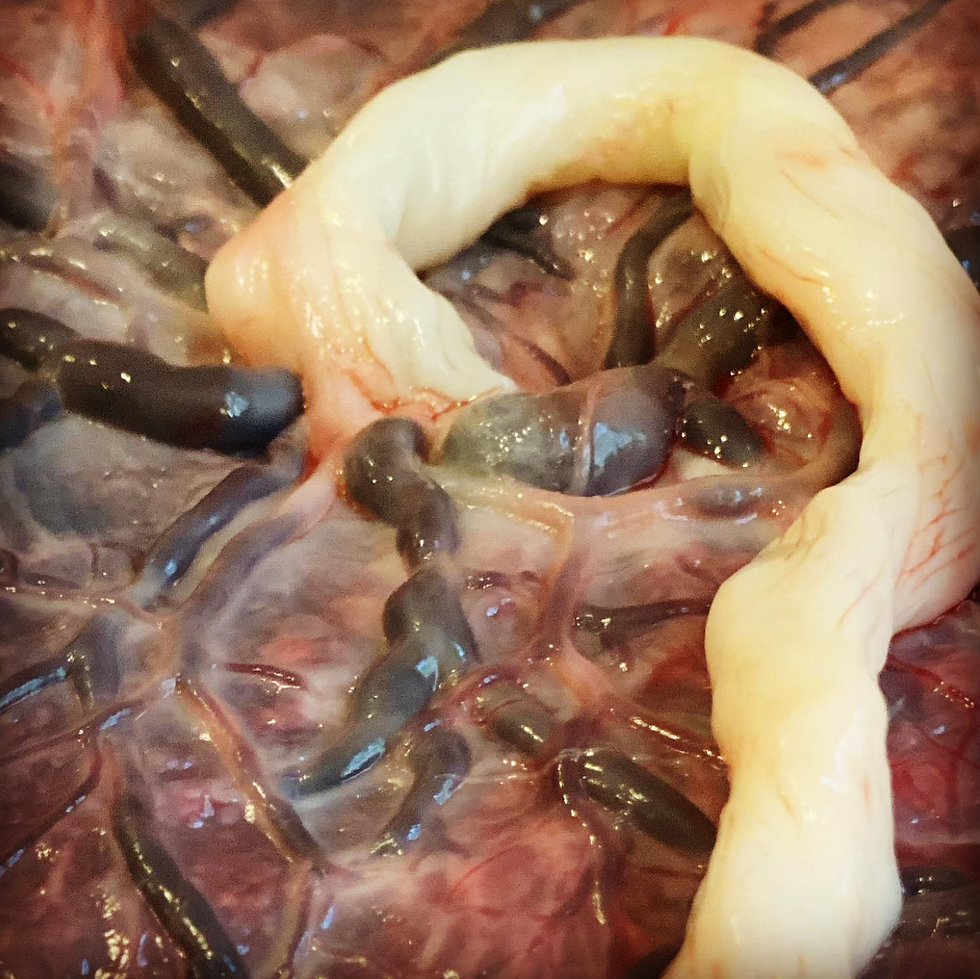
Research has confirmed that processed placenta contains measurable amounts of iron along with other minerals including zinc, selenium, copper, and manganese.
Researchers have also identified amino acids, proteins, and naturally occurring hormones within the placenta, although processing methods affect the amounts that remain.
Because the placenta contains these nutrients, many mothers choose encapsulation as one component of their postpartum recovery plan.

Why So Many Mothers Continue Choosing Placenta Encapsulation
Despite limited clinical evidence, placenta encapsulation continues to grow in popularity.
Why?
Because thousands of mothers genuinely feel it helped them.
Every postpartum recovery is different.
The placenta is biologically unique.
Current studies involve relatively small groups of participants and cannot account for every variable that influences recovery.
Science sometimes takes years—or decades—to fully understand why certain practices appear helpful for some individuals.
Until larger studies become available, we can honestly say:
Many mothers report meaningful benefits.
Research is still catching up.

My Philosophy as a Placenta Specialist
One thing that is incredibly important to me is honesty.
I never want families to feel pressured into a service based on exaggerated promises.
Instead, I believe in sharing what we know.
Placenta encapsulation is not a cure.
It is not a guarantee.
It should never replace medical care.
But it may be one valuable tool that supports recovery alongside:
Iron-rich nutrition
Appropriate iron supplementation when needed
Hydration
Rest
Breastfeeding support
Emotional support
Follow-up with your healthcare provider
When we look at postpartum healing as a whole instead of searching for one magic solution, mothers tend to feel much more supported.
Safety Is Essential
If you decide placenta encapsulation is right for your family, proper handling matters.
At Mindful Family Wellness, I follow strict food-safe preparation practices from pickup through encapsulation. We also review situations where encapsulation may not be appropriate, such as certain maternal infections or concerns about the placenta's condition.
My goal is always to provide a service that is both safe and respectful of current evidence.

More Than Capsules
One of my favorite parts of placenta encapsulation is helping families honor the incredible organ that sustained their baby's life.
Each encapsulation package includes beautiful keepsakes, such as:
Placenta capsules
Placenta tincture
Placenta salve
Umbilical cord keepsake (optional)
Placenta print (extra optional add-on)
The keepsakes become lasting reminders of the remarkable journey your body has taken.

A Whole-Person Approach to Postpartum Recovery
As a birth doula, postpartum doula, nutritionist, and placenta specialist, I've learned that mothers thrive when they feel cared for—not just medically, but emotionally, nutritionally, and practically.
There is no single intervention that creates an easier postpartum experience.
Instead, recovery is built through thoughtful support, nourishing food, adequate rest, compassionate care, and evidence-informed choices.
Whether placenta encapsulation becomes part of your postpartum plan is a personal decision, and I'm here to help you make that decision with confidence—not pressure.
Placenta Encapsulation in Charlotte, Lake Norman, and Mooresville
Mindful Family Wellness proudly serves families throughout Charlotte, Mooresville, Lake Norman, Huntersville, Cornelius, Davidson, Denver, Concord, Statesville, Troutman, and surrounding North Carolina communities.
If you're considering placenta encapsulation, I'd love to answer your questions, explain the process, and help you determine whether it's a good fit for your postpartum recovery goals.
Because I accept a limited number of clients based on due dates, I encourage families to reserve their spot during pregnancy.
Ready to Plan for a More Supported Fourth Trimester?
Your postpartum recovery matters.
Whether you're interested in placenta encapsulation, postpartum doula support, birth doula services, nutrition counseling, meal delivery services, or HypnoBirthing® classes, I'm here to help you prepare for life after birth with confidence.
Contact Mindful Family Wellness today to reserve your due date and begin planning for a nourished, supported, and empowered postpartum experience.


Comments